Advanced therapy
A Closer Look at Shockwave Therapy in Oshawa
April 12, 2026 • 7 min read
Have you been suffering from lower back pain, chronic tendinopathy, hip pain, or any other painful soft tissue injury? If yes, it’s about time you consider shockwave therapy at PhysioCare in Oshawa as an efficient way to end or reduce your suffering.
The therapy uses high energy waves to combat pain and repair damaged tissues. As such, the therapy helps you recuperate within the shortest time possible.
What is shockwave therapy?
Shockwave therapy is a non-invasive treatment which employs high energy shockwaves to alleviate the pain that resulted from soft tissue injuries and certain bone conditions. Besides pain alleviation, it also supports recovery by:
- Boosting blood circulation to your injured tissues and muscles
- Preventing the formation of a fibrous scar tissue in the affected part
- Supporting the formation of new blood vessels around the affected area
- Reducing inflammation
- Supporting the production of collagen
Who is a good candidate?
The best candidates are people who live with acute and chronic soft tissue conditions that cause pain, including chronic neck and lower back pain, osteoarthritis, Achilles tendonitis, hip pain, Morton’s neuroma, shoulder pain, tennis elbow, stress fractures, plantar fasciitis, and golfer’s elbow.
It is not appropriate for everybody. Some people might not benefit, including pregnant women, children, patients whose pain resulted from infections or malignant tumors, people taking anticoagulants, or patients with open wounds.
What to expect
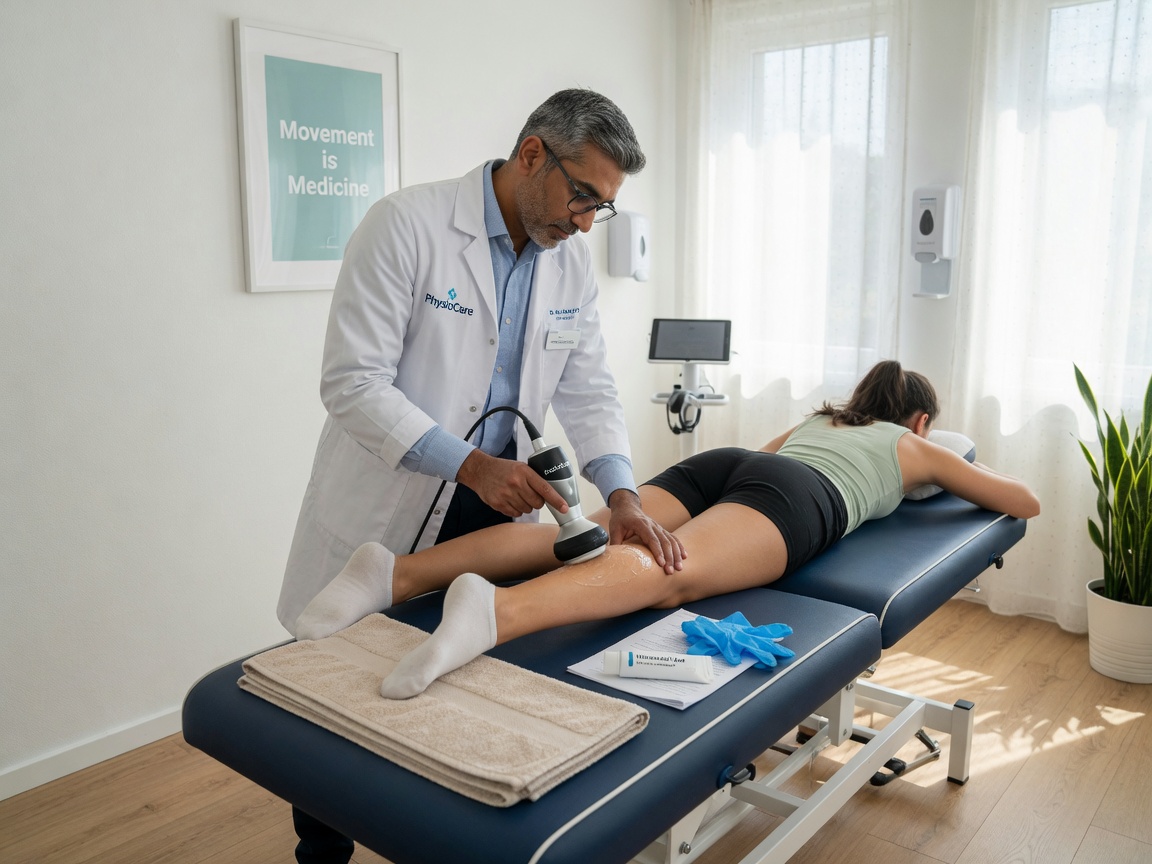
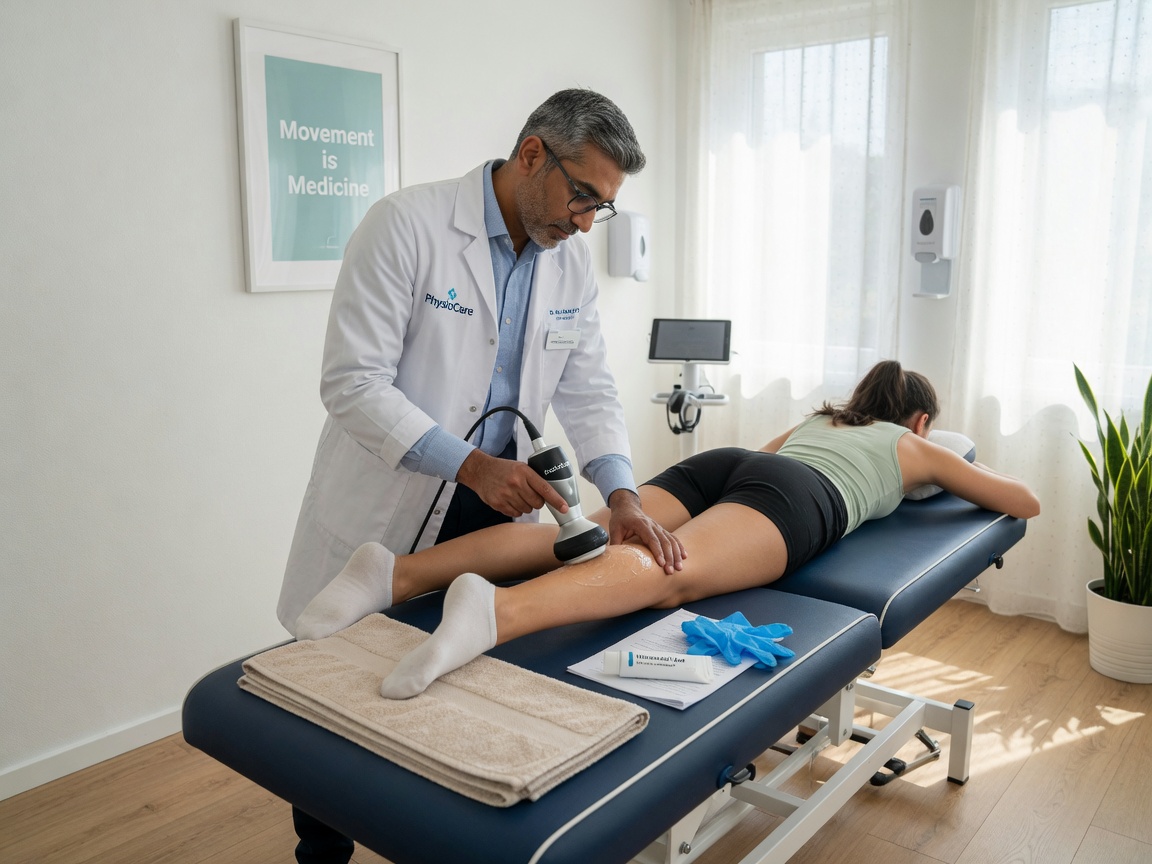
During your first consultation, an experienced physiotherapist will assess the affected area and establish if shockwave therapy is appropriate. If it is, they will explain the procedure and formulate a unique plan. Gel is applied, then a handheld probe delivers acoustic waves for 10 to 15 minutes. Reliable studies show that about 80% of patients report reduced pain and restored function after 3 to 4 sessions.
Side effects are uncommon and usually limited to temporary soreness, mild bruising, or reddening around the treated area.